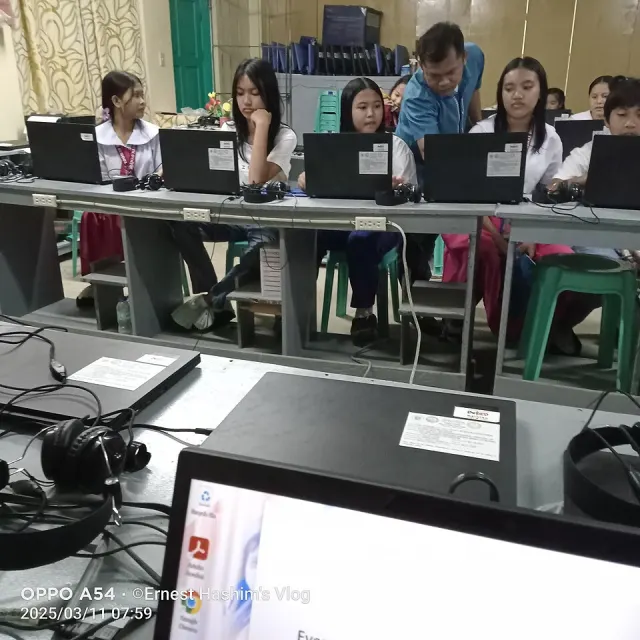
Computer lab desktops bought by the seat across campuses
Bulk desktop procurement across schools and colleges in one window.
The range above is an indicative planning figure taken from our own research, not a quotation and not an offer. buytogethr is pre-launch and has closed no pools.
What you are actually buying
Machines are bought by the seat: one standard build repeated across every lab and campus, with monitor, peripherals, operating system, and the power and network drop at each desk. Quotes separate on processor generation and whether the part is the current or the previous line, memory fitted against slots left free, storage type, and warranty term including whether on-site response covers the monitor as well as the box. Licensing is where a low hardware price is often recovered. The frequent error is specifying a brand and model number rather than a performance build, which narrows the field to one authorised reseller and removes the competition the aggregation exists to create.
Why computer lab desktops suits collective purchasing
Among the most straightforward items to aggregate. The specification is a written build, identical everywhere, and a seat in one institution is genuinely the same as a seat in another; computers appear as an institutional aggregation category both for schools and for college IT departments. Manufacturing is concentrated at OEM level with many resellers beneath, which is precisely the structure that responds to technical qualification followed by reverse bidding among the qualified. The constraint is timing: processor lines refresh, so the pool has to close inside a window or the agreed build is superseded and the price basis moves.
Pin down before price
- A performance build rather than a brand and model, so several bidders can qualify
- Warranty term, on-site response, and whether the monitor carries the same cover
- Operating system and productivity licensing priced separately from the hardware
- Memory and storage headroom for the courses the lab must still run in year five
- Who applies the standard image, joins machines to the domain, and on what schedule
What drives ten-year cost
- Licence renewals and any per-seat subscription attached to the build
- Power draw across a full lab running the whole teaching day
- A memory and storage refresh around year four, weighed against early replacement
- Disposal and data sanitisation at end of life across several hundred machines