Diesel-to-electric retrofit kits for existing school mini buses
Electric drivetrain fitted to sound existing body and chassis.
The range above is an indicative planning figure taken from our own research, not a quotation and not an offer. buytogethr is pre-launch and has closed no pools.
What you are actually buying
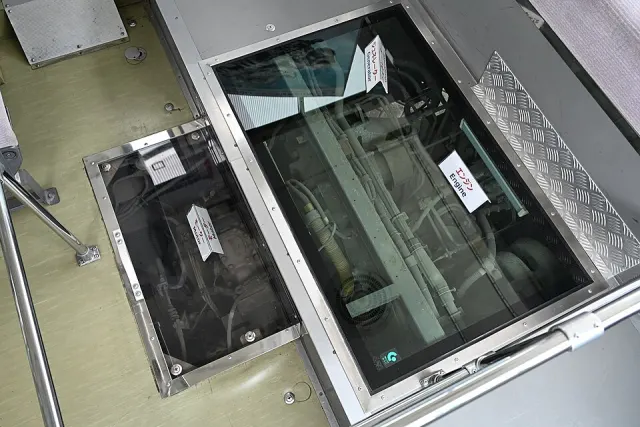
The purchase converts a bus the school already owns. Engine, gearbox, fuel system and exhaust come out; a traction motor, controller, battery pack, on-board charger, converter, wiring and instrumentation go in, with braking assistance and power steering re-provided electrically. Proposals vary on motor rating and how it is matched to a loaded bus on the route's gradients, where the pack is mounted and what that does to axle loads and kerb weight, cell chemistry, the approval status of the kit for that vehicle class, and how much of the figure is kit against fitting labour. The frequent error is evaluating the kit and not the donor: conversion only earns its cost where body, chassis and brakes are sound and the vehicle is eligible.
Why diesel-to-electric retrofit kit suits collective purchasing
The founder's argument is that the barrier is upfront capital rather than electric running cost, and that retrofitting a sound body and chassis avoids buying the vehicle twice. Conversions pool well because the fleet is homogeneous: a district's school mini buses are a few models running short, repeated, low-speed routes, so one engineering package covers many vehicles and a converter can price a batch instead of a one-off. The supply side is small firms that would rather commit a workshop to a batch than pursue schools individually. The condition is real, though: the group must convert similar vehicles together, in batches, not one bus at a time.
Pin down before price
- Donor vehicle survey before anything else: body, chassis, brakes, suspension and legal eligibility to convert
- Motor and controller rating matched to a fully loaded bus on the steepest gradient on the route
- Pack mounting position, resulting axle load distribution and kerb weight after conversion
- Approval status of the kit for this vehicle class, and who carries responsibility for re-registration
- Range proved against the school's real duty cycle, with full load and air conditioning included
What drives ten-year cost
- Pack replacement at end of life, the largest single event in the converted bus's remaining years
- Energy per kilometre at the depot tariff, set against the diesel and servicing it displaces
- Continuing dependence on the converter for support, diagnostics and spares
- Remaining life of the donor vehicle, which caps what the conversion can ever return