Anaesthesia workstations bought as one aggregated requirement
Ventilator, vaporizers and gas delivery for the major OT.
The range above is an indicative planning figure taken from our own research, not a quotation and not an offer. buytogethr is pre-launch and has closed no pools.
What you are actually buying
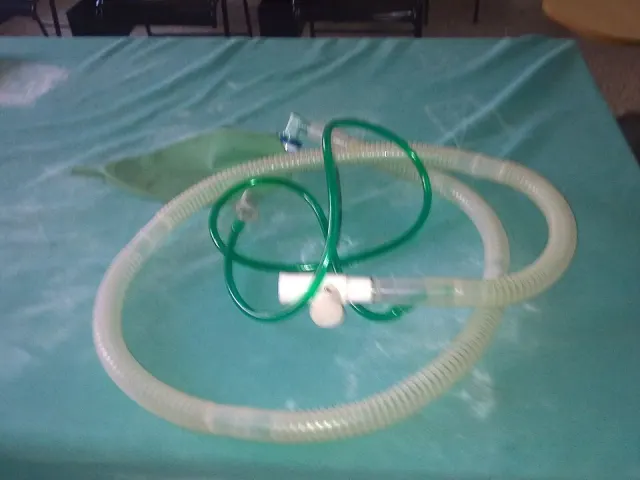
What is bought is a ventilator, gas mixer, vaporisers, absorber and monitoring assembled on one theatre unit, together with the circuits and the connection to the hospital's gas pipelines. Quotes diverge on the ventilation mode set, the smallest tidal volume the unit will deliver, paediatric and low-flow capability, whether vaporisers for each agent are included or optional, whether the monitor is integrated or a separate purchase, the extent of gas analysis, and whether the absorber can be autoclaved. The usual error is to compare base units. Vaporisers, agent monitoring, paediatric bellows and circuit accessories are often quoted separately, and a quote that does not state pipeline pressure, cylinder yoke type and the scavenging arrangement has not been priced for the theatre it will stand in.
Why anaesthesia workstation suits collective purchasing
Every major theatre needs one, so a group of institutions reaches a quantity no single hospital can present, and the technical floor - modes, monitoring, alarms, gas interface - standardises cleanly. Anaesthetists do hold genuine preferences, so the honest pooled approach is to fix a common minimum specification and allow make-level choice within it rather than force one model on every theatre. Global and Indian manufacturers both compete in this category, which makes bidder-versus-bidder competition realistic. Much of the value comes from forcing vaporisers, agent monitoring and the maintenance contract into a single comparable schedule.
Pin down before price
- Ventilation modes required, including low-flow and paediatric, with the minimum tidal volume stated
- Vaporisers: agents, mounted positions, interlock, and whether included in the base price
- Gas monitoring: oxygen, capnography and agent identification; integrated or separate monitor
- Pipeline and cylinder interface, alarm set, and theatre scavenging arrangement
- Battery back-up duration and behaviour when pipeline supply fails
What drives ten-year cost
- Breathing circuits, absorber canisters and soda lime consumed per theatre list
- Oxygen cell and flow sensor replacement at defined intervals
- Vaporiser servicing and recertification through the contract period
- Battery replacement across the warranty and maintenance term