Aggregating OT light procurement across surgical theatres
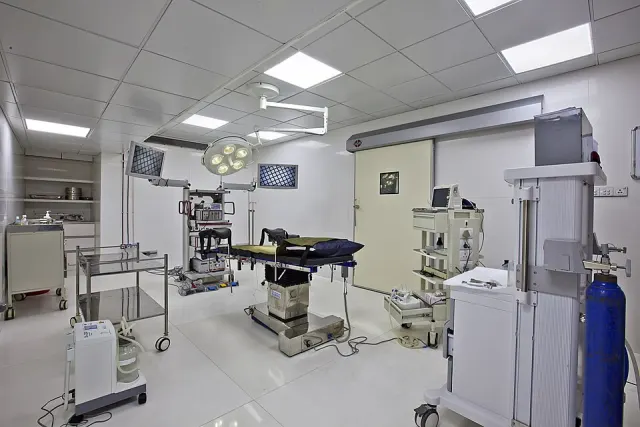
Ceiling-mounted shadowless twin-dome surgical lighting.
The range above is an indicative planning figure taken from our own research, not a quotation and not an offer. buytogethr is pre-launch and has closed no pools.
What you are actually buying
The institution is buying a ceiling-mounted lighting system for each theatre: one or more domes on suspension arms fixed into the structural slab, a control panel, and often a camera and monitor. Quotes diverge on central illuminance and the distance at which it is measured, light-field diameter, depth of illumination, colour temperature and colour rendering index, shadow dilution, arm reach and balance, and the number of sterilisable handles supplied. The frequent mistake is to compare a single illuminance figure and ignore the theatre itself: slab fixing and false-ceiling clearance, mounting height, interference with the laminar flow field, and behaviour when mains power fails. A light that cannot be positioned freely over the table is a poor light whatever its output.
Why ot light suits collective purchasing
This standardises well. The specification is written in measurable physical terms rather than surgeon preference, so many theatres can accept one description, and the supplier side includes imported and Indian manufacturers, which is enough for real competition. The limit is that installation is site-specific: ceiling structure and civil work differ in every theatre. A pool should therefore fix the light, the accessories and the service terms centrally, and let each institution price its own mounting and electrical work against agreed rates. The service contract is modest here, so most of the pooled gain sits in the unit and accessory price.
Pin down before price
- Central illuminance and light-field diameter, with the measurement distance stated
- Colour temperature, colour rendering index and depth of illumination
- Dome configuration, arm reach and number of sterilisable handles supplied
- Ceiling fixing, false-ceiling clearance and laminar-flow compatibility
- Behaviour on mains failure and the backup supply arrangement
What drives ten-year cost
- LED module and driver replacement, and whether the whole dome must be changed
- Sterilisable handles, which are a recurring consumable per list
- Arm balance and brake servicing under the maintenance contract
- Software and support for any integrated camera and monitor