Autoclave and CSSD steam steriliser — cost and specification in India
Steam sterilizer at the heart of CSSD and microbiology.
The range above is an indicative planning figure taken from our own research, not a quotation and not an offer. buytogethr is pre-launch and has closed no pools.
What you are actually buying
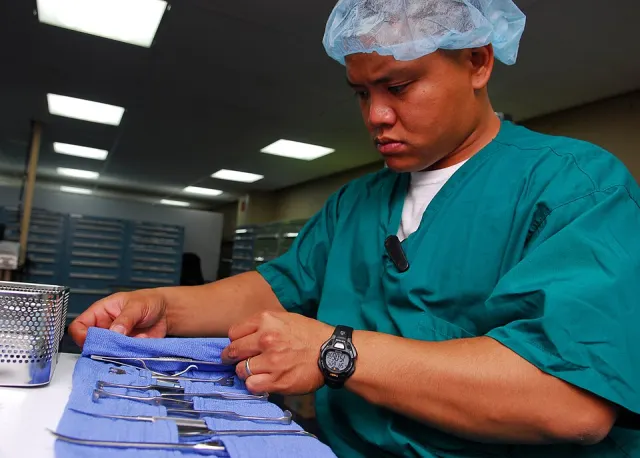
A CSSD autoclave is sized to theatre throughput rather than bed count, so the honest starting question is how many instrument sets must be turned around between lists, not how large the chamber sounds. Chamber volume, cycle time and the number of cycles a day decide whether one unit is enough or a second is needed for redundancy. Quotes vary on whether the price includes the steam source, water treatment, loading trolleys, racks and the validation that a hospital needs for accreditation. Buyers frequently compare bare chamber prices and discover afterwards that generator, softener and installation were quoted separately, or that validation and documentation were not quoted at all.
Why autoclave suits collective purchasing
Sterilisation plant standardises well: the specification is written around chamber size, cycle types and validation, and those are the same requirements in any hospital of comparable throughput. The buyers are fragmented across independent nursing homes and small hospitals that each buy one or two units a decade, which is exactly the pattern aggregation is for. The service relationship also matters more than the machine, so a pooled contract that fixes response times and preventive maintenance across many sites is worth more than a small movement on the purchase price.
Pin down before price
- Chamber volume and cycle types, sized to instrument sets per operating list rather than bed count
- Whether steam generation, water softening and drainage are inside the quoted scope
- Validation, calibration and the documentation required for accreditation
- Loading trolleys, racks and baskets, which are often quoted separately
- Spares availability and guaranteed engineer response time
What drives ten-year cost
- Preventive maintenance and gasket, valve and door-seal replacement over the contract
- Water treatment consumables and the cost of poor feed-water on chamber life
- Downtime cost when a single unit serves every theatre with no redundancy
- Validation and requalification at the interval accreditation requires