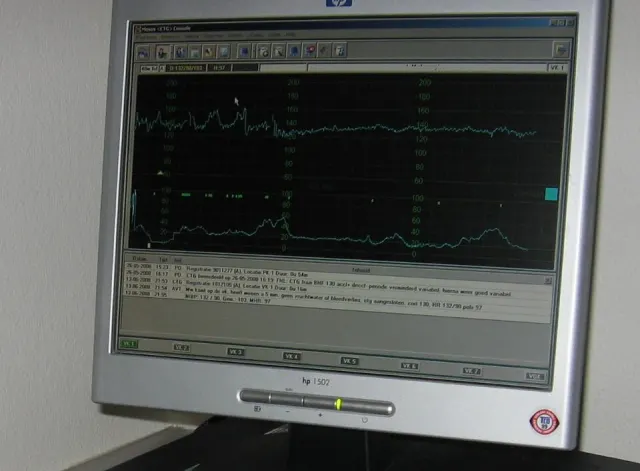
Foetal monitors (CTG): the transducers outlast the price debate
Cardiotocograph for labour-room foetal surveillance.
The range above is an indicative planning figure taken from our own research, not a quotation and not an offer. buytogethr is pre-launch and has closed no pools.
What you are actually buying
A cardiotocograph is bought for the labour room as a unit plus its transducers: an ultrasound transducer for the foetal heart rate, a toco transducer for uterine activity, belts, and on twin-capable models a second ultrasound channel. Quotes vary on twin capability, on whether maternal parameters are included, on printer type and paper width, on whether the unit can join a central station later, and on whether transducers are water-resistant or wireless. The mistake is comparing machine prices as though the machine were the cost. Transducers get dropped, and recording paper is often proprietary; over the working life of the unit those two lines can pass the price of the monitor, and neither appears in a quotation that never asked for them.
Why foetal monitor/ctg suits collective purchasing
Clinical variation is low here: labour rooms across institutions want much the same instrument, which makes a common technical specification straightforward to write and meaningful to bid against. Buyers are fragmented, one or two units at a time, while the manufacturers are a manageable number, so aggregation changes the size of the requirement considerably. The most useful thing a pool can do with this item is not to move the machine price but to fix a multi-year schedule for transducers, belts and recording paper at contracted rates, because that is where a single hospital has no bargaining position at all.
Pin down before price
- Single or twin foetal channel, decided from the actual case mix
- Transducer construction: water resistance, cable strain relief, wireless or not
- Paper width and type, and whether the paper is proprietary
- Central monitoring: supported now, retrofittable later, or not at all
What drives ten-year cost
- Replacement transducers, the dominant recurring line
- Recording paper, at the contracted rate rather than the list rate
- Belts, and battery replacement on portable units