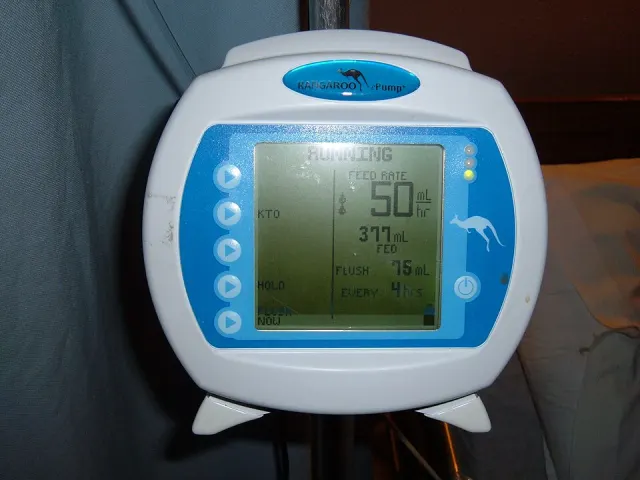
Specifying volumetric infusion pumps for critical care beds
Volumetric IV control; 100 units in the pooled example.
The range above is an indicative planning figure taken from our own research, not a quotation and not an offer. buytogethr is pre-launch and has closed no pools.
What you are actually buying
A volumetric pump drives fluid through a giving set by a peristaltic mechanism, so the institution is really buying a pump and a consumable together. What varies between quotes is whether the pump accepts standard sets or requires dedicated ones, the flow range and stated accuracy, occlusion pressure settings, air-in-line detection, battery endurance, and whether a drug library with dose limits is included and who maintains it. Racks, pole clamps and docking stations are often priced apart. The common mistake is awarding on unit price where the set is proprietary, and a second is building a mixed fleet, which multiplies stored sets, retraining and spares while nursing staff meet several interfaces on one ward.
Why infusion pump suits collective purchasing
One of the clearest cases for aggregation. The specification is short, uncontroversial and identical across institutions, and each buyer needs pumps in quantity rather than singly, so even a modest group produces a serious order. The founding analysis models exactly this, pooling infusion pumps across twenty institutions into one aggregated requirement. The discipline needed is on the consumable. Ask every qualified bidder to quote the pump and a stated annual quantity of giving sets in one schedule, or a low pump price will simply be recovered on sets that the hospital is then locked into for a decade.
Pin down before price
- Flow rate range and stated accuracy, keep-vein-open rate, bolus and secondary infusion behaviour
- Whether standard giving sets are accepted or dedicated sets required; name the set and quote annual quantity in the same schedule
- Selectable occlusion pressure, air-in-line detection and the alarm hierarchy under a nursing workload
- Drug library and dose limits: who builds the initial library, how updates are issued, whether it costs anything
- Battery run time at a stated rate, recharge time, and pole, rail and rack mounting
What drives ten-year cost
- Giving sets, consumed per patient per day, which dominate ten-year cost far beyond the pumps themselves
- Battery replacement across a whole fleet, which arrives as one lump several years in
- Maintenance cover and periodic flow accuracy verification, priced per pump
- Fleet uniformity, since every additional make adds its own sets, spares and training